
Planning Ahead: How Elderly Care at Home Helps Maintain Independence
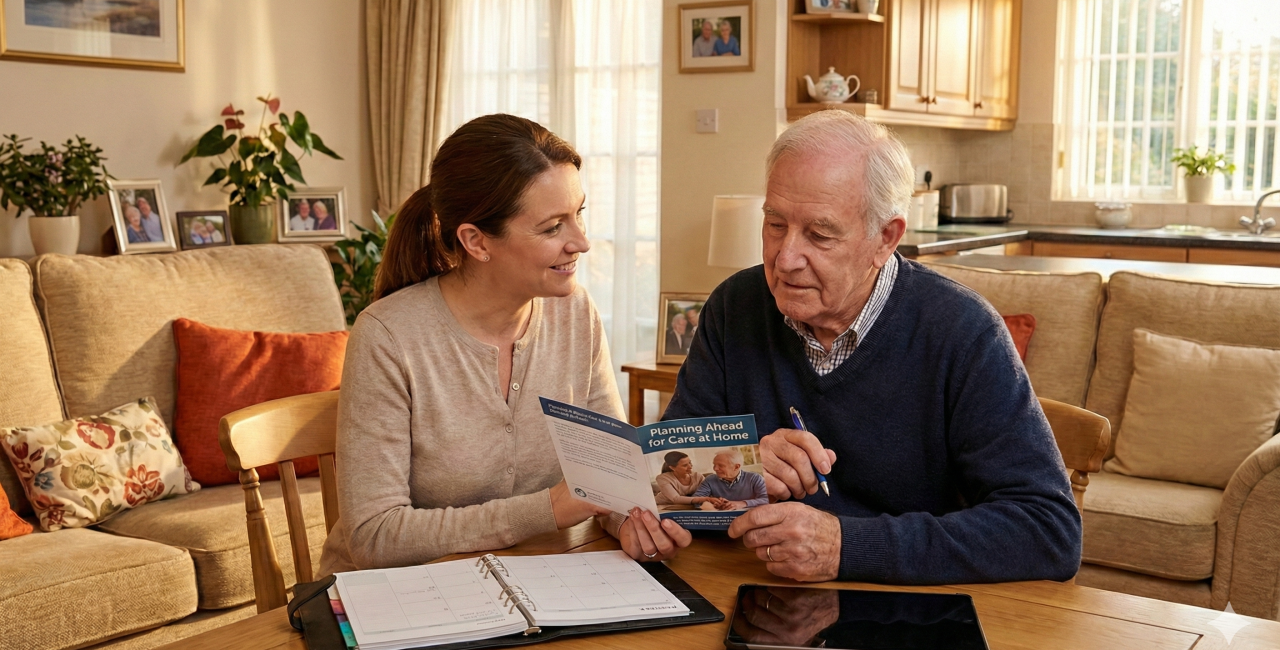
We all love the freedom to make our own choices. From deciding when to have breakfast to choosing which chair to read in, these small daily habits make up our lives. But as our parents get older, a hard question often comes up. How can we keep them safe without taking away the independence they love so much?
It's a common myth that needing care means giving up freedom. Actually, the opposite is often true. Planning ahead for care at home is one of the best ways to keep your loved one’s dignity and quality of life. By bringing in support early, and on their own terms, you can help them stay in the place they love. Home.
The Core Desire: Independence vs. The Need for Support
For most of us, "home" is more than just a building. It's a place full of memories and comfort. It's no surprise that 96% of older people say they really want to stay in their own homes rather than moving into residential care.
But getting older can make living alone tricky. Adult children often find themselves in a tough spot. You want to respect your parents' wishes to stay put, but you worry all the time about unpaid bills, missed pills, or the risk of a fall. This mix of wanting independence versus needing safety is why planning ahead is so important.
Ignoring these signs often leads to last-minute decisions. This might look like a sudden move to a care home after a hospital stay. That feels like losing control for everyone. On the other hand, admitting that a little help is needed now can stop bigger problems later.
How In-Home Care Acts as a Bridge, Not a Barrier
Many seniors worry that hiring a carer is the first step toward losing their independence. We believe it's actually the bridge that lets them keep it. At Crystal Care Services, we see care as "doing with" rather than "doing for."
Personalised Support for Daily Tasks
Being tired often leads to mistakes. If your parent spends all their energy struggling with cleaning or cooking, they have little left for the things they enjoy. We work closely with each person to build care plans that fit their specific needs and routines. By handling daily chores like light housekeeping or making meals, professional carers free up your loved one’s energy. They can use that time for hobbies, seeing family, or just relaxing in the garden.
Safety Modifications and Fall Prevention
One of the biggest risks to independence is a fall. Professional carers bring a fresh pair of eyes to the home. They can spot tripping hazards, like loose rugs or dim lights, that family members might miss because they are so used to the house. Also, having someone there during risky times, like bath time or early mornings, can give a senior the confidence they need to move around safely.
Medication Management and Health Oversight
Dealing with lots of prescriptions can be confusing. Mistakes here can lead to a hospital visit. Professional support includes reminders to make sure pills are taken safely and on time. This helps catch potential health issues early, like a cough that won't go away or a change in appetite, before they become emergencies.
Companionship and Social Engagement
Being alone is tough on independence. It can lead to a drop in both mental and physical health. A carer provides more than just physical help. They offer real friendship. Our carers become trusted companions who understand each person's unique personality and interests. Whether it's a chat over a cup of tea or a lift to a local appointment, staying connected keeps seniors motivated.
The Critical Role of "Planning Ahead"
Waiting for a crisis to force a decision is stressful. It often limits your choices. When you plan ahead, you and your parents are in charge. You have the time to look at providers, meet potential carers, and adjust slowly.
Bringing care in gradually helps too. Maybe just a few hours a week for company or shopping helps normalize the experience. It allows your parent to build trust with a carer before they need more personal help. This approach turns the experience from a panic buy into a lifestyle choice that makes their day better.
Taking the First Steps: A Practical Guide
If you are starting to notice your parents slowing down, now is the time to act. Here are some practical steps to start:
- Start the conversation early. Talk about what they want for the future before health issues happen. Ask questions like, "What kind of help would make living here easier?"
- Check the house. Look for simple changes, like grab rails or better lighting. These can help them live on their own longer.
- Look at local options. Find providers in your community who know the area. For example, Crystal Care Services is family-owned and dedicated to compassionate care in Leicester.
- Understand the costs. Look into funding options like Attendance Allowance or local council support to see what financial help is out there.
Independence doesn't mean doing everything alone. It means having the choice of how you live. Planning for care at home is a smart, positive choice. It puts your loved one’s happiness and safety first. By bringing in the right help at the right time, you aren't taking away their freedom. You are giving them the tools to enjoy it for as long as possible.
Next Steps
Are you ready to see how a little extra help could make a difference for your family?




72 Lethbridge Close
St Mathews Estate
Leicester | LE1 2EB
0116 222 0173 | 074818 333 99 info@crystalcareuk.com